
150+ Healing Writing Prompts: From Trauma to Peace
While our website is jam-packed with journaling prompts about your daily life, personal journey, core values, and inner self, there's one very particular journey of self-discovery that requires some extra thought-provoking journal prompts - the healing journey.
Whether you're wrestling with past trauma, traumatic events, a particularly painful experience, or its resulting emotional pain, healing writing prompts offer a powerful tool to starting digging your way out of emotional distress and into a safe space.
So grab a notebook, kick off your shoes, and come right this way as we discover some journaling prompts that will walk you through the healing process!
Top Healing Writing Prompts for Emotional Healing
Healing writing prompts can help you work through negative emotions and past trauma while building self love and inner strength. These targeted questions guide you to process emotional pain, examine painful experiences, and create positive changes in your life.
Prompts for Processing Negative Emotions
Writing about your feelings can help you understand and release emotional distress. These prompts give you a safe space to explore what's bothering you without judgment.
Questions to explore your emotions:
- What emotion am I feeling right now, and where do I feel it in my body?
- When did this feeling first show up today?
- What triggered this emotional pain?
- If this emotion could talk, what would it say to me?
- What do I need most when I feel this way?
- How have I handled this feeling in the past?
- What would help me feel better right now?
- Who can I talk to about these feelings?
- What part of this situation can I control?
- What lesson might this emotion be teaching me?
You can use therapeutic writing prompts to reduce anxiety and process negative emotions faster. Start by writing for just five minutes without stopping or editing yourself.
Exploring Past Trauma and Difficult Experiences
Looking back at past trauma through writing can help you understand how it affects you today. This process takes time and patience with yourself.
Prompts for examining your past experiences:
- What past experiences still bother me when I think about them?
- How did that painful experience change the way I see myself?
- What did I learn from going through that hard time?
- Who was there to support me during my worst moments?
- What would I tell my younger self about that situation?
- How has this trauma shaped my relationships?
- What beliefs did I develop because of what happened?
- When do memories of this event come up most often?
- What do I wish had happened differently?
- How can I show compassion to the person I was then?
- What parts of this story am I ready to let go of?
- How has this experience made me stronger?
- What do I need to forgive myself for?
- Who else needs my forgiveness?
- What would healing from this look like?
Research shows that expressive writing about difficult experiences can improve your immune function and emotional health!
Writing for Positive Changes and Self Love
These prompts help you focus on growth and building a better relationship with yourself. They guide you toward what you want to create in your life.
Questions for building self love:
- What do I appreciate most about myself today?
- When do I feel most like myself?
- What positive changes do I want to make this month?
- How do I show myself kindness?
- What makes me feel proud of who I am?
- What boundaries do I need to set?
- How can I be more patient with myself?
- What does self love mean to me?
- When do I feel most confident?
- What compliment do I need to hear today?
- How have I grown in the past year?
- What part of my routine makes me feel good?
- Who brings out the best in me?
- What dream have I been putting off?
- How can I celebrate small wins?
Journal prompts for emotional wellness work best when you write honestly without worrying about perfect words.
Facing Fears and Inner Strength
Writing about your biggest fear and inner strength can help you realize how capable you really are. These prompts show you the courage you already have.
Prompts to discover your strength:
- What is my biggest fear right now?
- When have I been brave even when I was scared?
- What challenge have I overcome that I'm proud of?
- How did I find inner strength during my hardest times?
- What fear is holding me back from what I want?
- Who inspires me with their courage?
- What would I do if I wasn't afraid?
- How can I take one small step toward facing this fear?
- What tools do I have to handle difficult situations?
- When did I surprise myself with my own strength?
- What reminder do I need when things get hard?
- How do I want to grow from this challenge?
- What support do I need to face this?
- What have I survived that I didn't think I could?
- How will facing this fear change my life?

Getting Started with Healing Writing Prompts
Okay, so now you have a handful of healing writing prompts (and will have lots more if you keep scrolling!). Now what?
Beginning your personal journey with healing writing prompts requires preparation and intention. You need a comfortable environment, a clear entry point, and a sense of direction before you put pen to paper.
Creating a Safe and Private Space
Your healing work requires a safe space where you can write without interruption or judgment. Choose a quiet spot in your home where you feel comfortable expressing difficult emotions.
This might be a corner of your bedroom, a cozy chair by a window, or even your car during lunch breaks. The key is finding somewhere you won't be disturbed.
Essential elements for your writing space:
- A comfortable seat with good back support
- Adequate lighting that doesn't strain your eyes
- Privacy from roommates, family members, or coworkers
- A journal or notebook dedicated only to this work
- Minimal distractions like phones or television
Your private space should feel like a refuge where your inner self can emerge honestly. Lock the door if needed or establish boundaries with others about your writing time.
Setting Core Values and Intentions
Before diving into prompts, clarify why you're doing this work. Your core values guide what matters most in your healing process.
Ask yourself what you hope to gain from writing. Maybe you want to release old pain, understand yourself better, or find peace with past experiences. Write down two or three specific intentions for your healing journey.
Sample intentions might include:
- "I want to stop carrying guilt about things I can't change."
- "I need to understand why certain situations trigger me."
- "I'm ready to forgive myself for past mistakes."
Keep your intentions visible in your writing space. They'll remind you of your purpose when the work gets difficult or uncomfortable.
Finding Your Starting Point
You don't need to know exactly what to write about before you begin. Therapeutic writing allows you to express your feelings and gain clarity, even if/when your healing journey starts with confusion or overwhelm.
Start with whatever emotion feels strongest right now. If you're angry, write about anger. If you're sad, explore that sadness.
Are you numb? Describe what numbness feels like in your body.
Simple ways to identify your starting point:
- Notice physical sensations in your body right now.
- Name the first emotion that comes to mind.
- Think about what kept you awake last night.
- Consider what you've been avoiding thinking about.
Your starting point might change each time you sit down to write, and that's perfectly normal.
Need a little more guidance to get started? We've got your back!
One-Sentence Healing Writing Prompts:
- Write about a moment when you felt completely safe.
- Describe the last time you cried and what triggered it.
- What does your body feel like right now?
- List five things you're grateful for today.
- What would you tell your younger self?
- Describe a relationship that changed you.
- What are you avoiding thinking about?
- Write a letter to someone who hurt you.
- What does forgiveness mean to you?
- Describe your perfect day from start to finish.
- What emotions do you find hardest to express?
- Write about a time you felt proud of yourself.
- What are three things you need to let go of?
- Describe your safe place in detail.
- What does your inner critic say to you?
- Write about someone you need to forgive.
- What boundary do you need to set?
- Describe a loss that still affects you.
- What makes you feel most alive?
- Write about a mistake you learned from.
- What do you wish others understood about you?
- Describe your relationship with your body.
- What childhood memory still hurts?
- Write about a time you felt betrayed.
- What does self-care mean to you?
- Describe your biggest fear in detail.
- What pattern keeps repeating in your life?
- Write a letter to your future self.
- What do you need to hear right now?
- Describe a moment of unexpected joy.
- What are you holding onto that no longer serves you?
- Write about your relationship with anger.
- What would unconditional self-love look like?
- Describe someone who made you feel seen.
- What trauma are you still processing?
- Write about a time you felt misunderstood.
- What does healing mean to you?
- Describe your emotional triggers and why they exist.
- What do you need permission to do?
- Write about your relationship with vulnerability.
- What part of yourself have you been hiding?
- Describe a moment when you felt completely accepted.
- What story do you keep telling yourself?
- Write about your relationship with trust.
- What does your anxiety try to protect you from?
- Describe the last time you felt truly relaxed.
- What do you need to stop apologizing for?
- Write about someone you miss.
- What would you do if you weren't afraid?
- Describe your relationship with your emotions.
- What belief about yourself needs to change?
- Write about a time you stood up for yourself.
- What does your depression feel like physically?
- Describe a place where you felt peace.
- What are you not allowing yourself to feel?
- Write about your relationship with shame.
- What do you wish you had said?
- Describe how grief lives in your body.
- What would self-compassion sound like?
- Write about a time you felt enough.
- What do you need to accept about yourself?
- Describe your relationship with control.
- What wound keeps reopening?
- Write about someone who believed in you.
- What does your sadness need you to know?
- Describe a moment when you felt brave.
- What are you punishing yourself for?
- Write about your relationship with perfection.
- What old version of yourself needs compassion?
- Describe what freedom would feel like.
- What truth have you been avoiding?
- Write about a time you felt powerless.
- What does your heart want you to remember?
- Describe your relationship with loneliness.
- What would you tell someone going through this?
- Write about a time you asked for help.
- What does your body need from you?
- Describe a moment when you felt connected.

Incorporating Healing Writing Prompts into Daily Life
Your writing will become most powerful when it fits naturally into your day and helps you work through challenges as they happen. Setting aside time each day and knowing when to reach for specific prompts can turn journaling into a reliable tool for processing difficult emotions and staying grounded.
Making Writing Part of Your Daily Routine
The best time to write is whatever time you'll actually stick with.
Many people find success with morning journaling right after waking up, before the day's demands take over. Others prefer evening writing to process what happened during the day.
Start with just 10-15 minutes. Research on expressive writing shows that even short daily sessions improve stress levels and emotional well-being. You don't need a perfect setup or fancy journal.
Simple ways to build the habit:
- Keep your journal and pen in the same visible spot.
- Link writing to an existing habit like drinking morning coffee.
- Set a phone reminder for your chosen time.
- Don't worry about writing perfectly or filling entire pages.
The goal is consistency over quantity.
Five minutes every day beats an hour once a week. Your daily routine becomes stronger when writing feels like a natural part of it, not another chore.
Journaling Through Difficult Situations
When you're facing a difficult situation or feeling overwhelmed, specific prompts can help you process what's happening. Rather than avoiding difficult emotions, writing can help you understand and move through them.
Prompts for challenging moments:
- What is the hardest part of this situation right now?
- What emotions am I feeling in my body?
- What would I tell a friend going through this?
- What is one small thing I can control today?
- What do I need to forgive myself for?
Therapeutic journaling techniques backed by research show that naming your emotions and experiences reduces their power over you. You create distance between yourself and the problem by putting it on paper.
Write without editing or judging yourself.
Let the words flow however they need to come out. This isn't about creating something beautiful—it's about getting what's inside you onto the page.
Connecting With Your Present Moment
Grounding yourself in the present moment through writing can calm anxiety and racing thoughts. These prompts help you focus on what's actually happening right now instead of worrying about the past or future.
Present-focused writing exercises:
- List five things you can see, four you can touch, three you can hear, two you can smell, and one you can taste.
- Describe your current surroundings in detail.
- What sensations do you notice in your body right now?
- Write about one thing going well today.
You can use these journaling prompts for emotional healing whenever you feel disconnected or overwhelmed. They take less than five minutes but immediately shift your attention away from anxious thoughts.
The present moment is where healing happens.
Your daily life contains countless opportunities to check in with yourself through writing. Even a quick journal entry during your lunch break can help to reset your emotional state for the rest of the day.
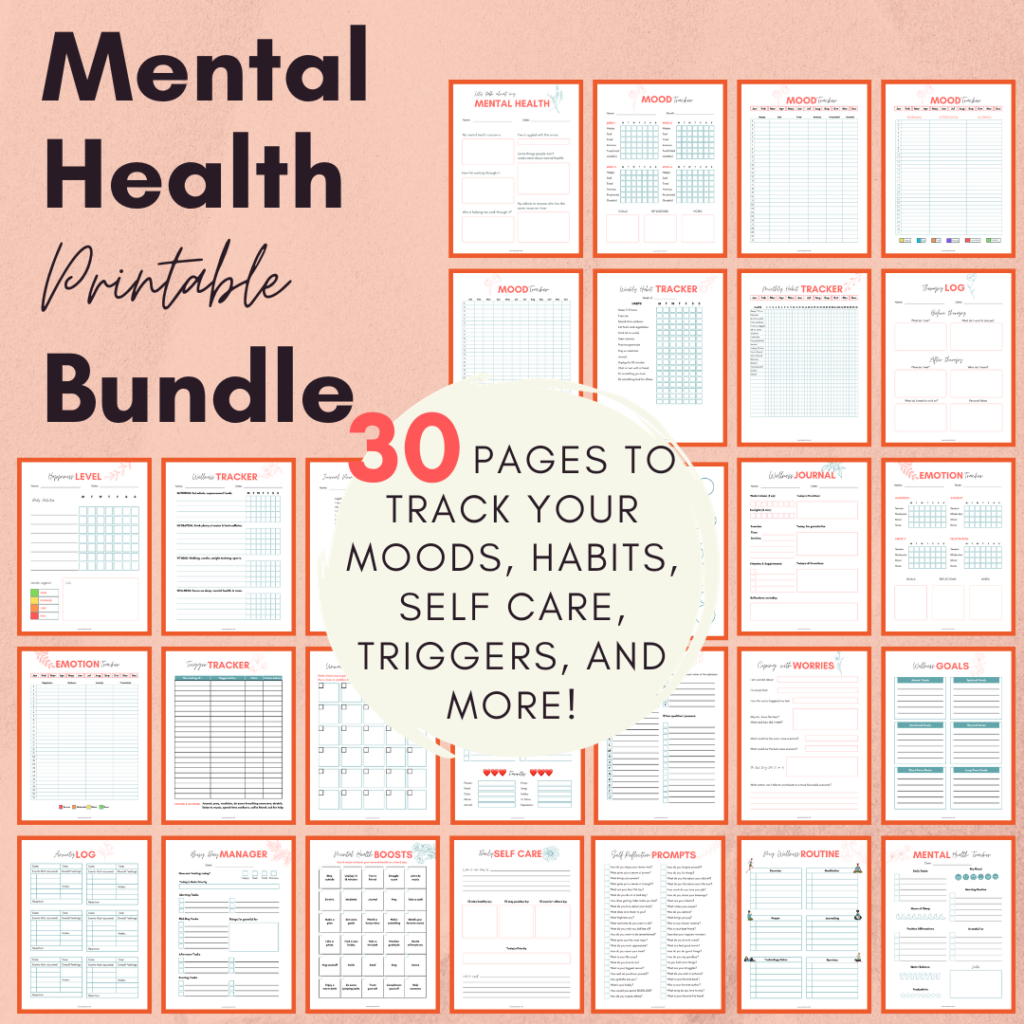
Whether you want to incorporate healing writing into your daily routine or track your positive mental health habits and their effects on your life, we've got you covered! YouCanJournal.com's mental health journal printables offer 30 pages designed to track and guide not just your emotional healing, but your entire mental health journey. Snag yours here for less than $5!
Personal Growth Through Reflective Writing
The right thought-provoking journal prompts help you understand yourself better and guide your personal development. These exercises let you explore who you are now, who you've been, and who you want to become.
Exploring Your Inner World
Your inner world holds your deepest thoughts, feelings, and beliefs. Writing about this personal space helps you understand what drives your actions and reactions.
Start by asking yourself what emotions you feel most often.
Write about the thoughts that keep coming back to you throughout the day. Think about what makes you feel safe and what makes you anxious.
Pay attention to the patterns in your relationships and daily routine and choices.
These patterns reveal important truths about your values and needs. When you journal about these patterns, you can begin to gain more clarity through your self discovery, and work through difficult emotions in a more structured way.
Learning from Your Younger Self and Future Self
Your younger self carries memories and lessons that shaped who you are today. Your future self represents the person you're working to become.
Write a letter to you younger self at age 10 or 15.
Tell that younger version what you learned from the hard times they went through. Offer them the compassion they needed back then.
Next, imagine yourself five or ten years from now. What does your future self want you to know right now? What choices would they thank you for making today?
This exercise can help you make decisions that align with your long-term goals.
You can also ask your younger self what dreams they had that you've forgotten.
Sometimes we lose sight of what once mattered to us. These reflective writing exercises enhance self-awareness and help you reconnect with your authentic desires.
Writing Letters to Your Best Friend and Inner Self
The way you talk to yourself matters more than most people realize. Writing letters helps you develop a kinder, more supportive inner voice.
Write a letter to yourself as if you were writing to your best friend.
What would you say to encourage them? How would you comfort them about their struggles?
Most people are much harder on themselves than they would ever be on someone they care about.
Try writing a response letter from your inner self back to you.
What does that wise part of you want to say? What guidance does it offer? This back-and-forth creates a dialogue that can help promote emotional healing and personal growth.
You can also write gratitude letters to parts of yourself you usually criticize.
Thank your body for what it does for you. Appreciate your mind for trying to protect you, even when anxiety feels uncomfortable.
This practice of gratitude can help to bolster low self-esteem and develop a healthy dose of self love.

And there you have it...100 healing writing prompts to help kickstart a journey of self discovery, self love, and emotional healing. No matter what you've been through, friend...we're here for you. And we're rooting for you!
Happy healing!
Disclosure: While all opinions are our own, we are a participant in the Amazon Services LLC Associates Program and other affiliate advertising programs, designed to provide a means for us to earn fees by linking to Amazon.com and affiliated sites, at no additional cost to you.